Is the Obama administration ever doing cost-benefit analysis for its regulations?: CAFE regulations increasing
Regulation safetyLook what Americans can look forward to driving in a few years. Put aside those gas guzzling mini coopers and look at some other cars that fall well short of Obama's proposed MPG rules of 56.2 MPG. Of course, a lot of these excessively large cars don't even make the 2016 mandate of 35.5 MPG average.
The huge/gigantic 2009 Smart FOR TWO PASSION gets 33 MPG city/41 MPG highway, hardly comes close to Obama's proposed 56 MPG and barely gets to the 35.5 MPG required by 2016. The car's 3 Cylinder 1.0L engine would impress some self-propelled lawnmowers. Now it is true that the misnamed "Smart" car has a lot of fat and extra space that could be cut out, but it still isn't clear how they will get its mileage about 20 MPG on average to Obama's 56.2 MPG. A two person car with no crash protection really possible because there is no room for crumple space should really be a one person car, right?

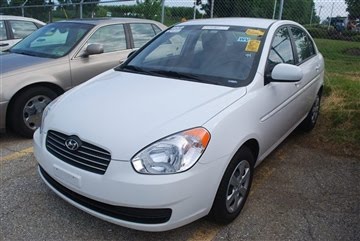
The road domineering 2010 Hyundai ACCENT GLS gets an impressive 27 MPG city/36 MPG highway, but the highway numbers are themselves still 20 MPG short.

The extra large 2010 Honda INSIGHT EX gets an impressive 40 MPG city/43 MPG highway.

The behemoth 2009 Chevrolet COBALT LT's 25 MPG city/35 MPG highway doesn't even come remotely close to the 2016 rules let alone to Obama's proposed mandates.

The Wall Street Journal has this about the new proposed regulations.
The huge/gigantic 2009 Smart FOR TWO PASSION gets 33 MPG city/41 MPG highway, hardly comes close to Obama's proposed 56 MPG and barely gets to the 35.5 MPG required by 2016. The car's 3 Cylinder 1.0L engine would impress some self-propelled lawnmowers. Now it is true that the misnamed "Smart" car has a lot of fat and extra space that could be cut out, but it still isn't clear how they will get its mileage about 20 MPG on average to Obama's 56.2 MPG. A two person car with no crash protection really possible because there is no room for crumple space should really be a one person car, right?

The road domineering 2010 Hyundai ACCENT GLS gets an impressive 27 MPG city/36 MPG highway, but the highway numbers are themselves still 20 MPG short.
The extra large 2010 Honda INSIGHT EX gets an impressive 40 MPG city/43 MPG highway.

The behemoth 2009 Chevrolet COBALT LT's 25 MPG city/35 MPG highway doesn't even come remotely close to the 2016 rules let alone to Obama's proposed mandates.

The Wall Street Journal has this about the new proposed regulations.
The Obama administration may require auto makers to roughly double the average fuel economy of their car and light truck fleets from current levels to 56.2 miles per gallon by 2025. . . .
The new plan, being drafted jointly by the Department of Transportation and the Environmental Protection Agency, would build on the administration's new rules put in place last year that requires new cars and light trucks sold in the U.S. to average 35.5 mpg by 2016, up from 27.3 mpg today. . . .